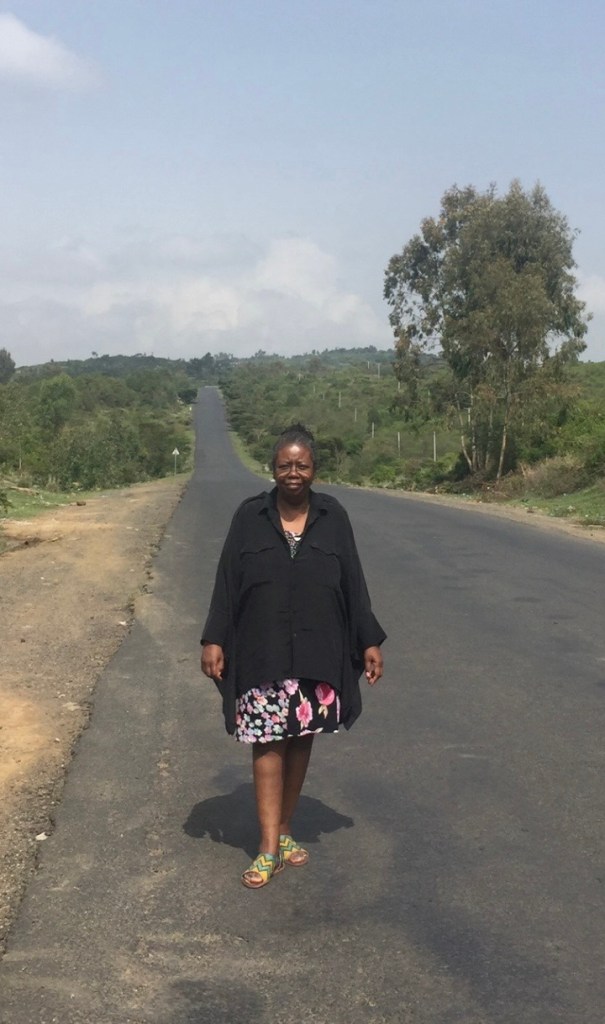
We arrived in Addis Ababa and after a few days of orientation, headed to our training sites. I was now a long way from Peace Corps Armenia. My site there was a short ten miles from Yerevan, the country’s capital, largest city, and one of the oldest continuously inhabited cities in the world. One month later, I was in Ethiopia.
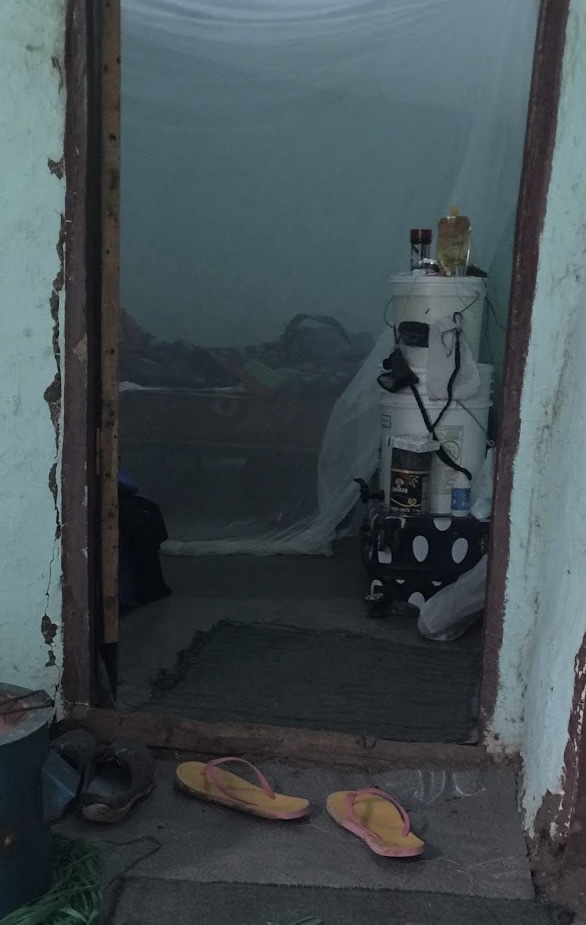
There were five other trainees in my Pre-Service village. My host family owned a restaurant. My room, pictured here, was in the back of their compound. Each day, my site mates and I had four hours of language training. Then, we were bused to a nearby town, for additional Peace Corps training, with the rest of our cohort. When that was done, we were bused back to our village.
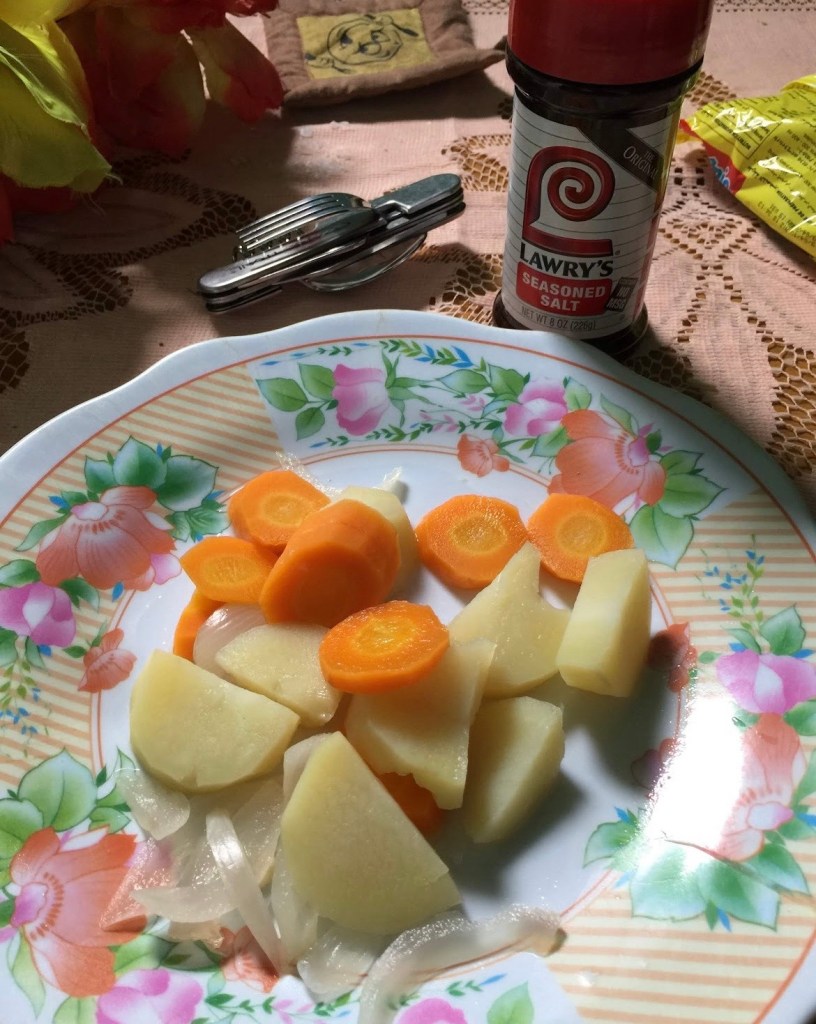
I became ill, almost immediately. It took awhile for Peace Corps medical to figure out that I was having a negative reaction to my anti-malaria medication. You know, the medication that I never took, as a Peace Corps volunteer, in Kenya, back in the 1980s. I was unable to keep anything down. Peace Corps medical suggested that my host family feed me boiled food. That task was given to their young daughter. So … for ninety days, I basically just drank a Coke, whenever I was hungry.
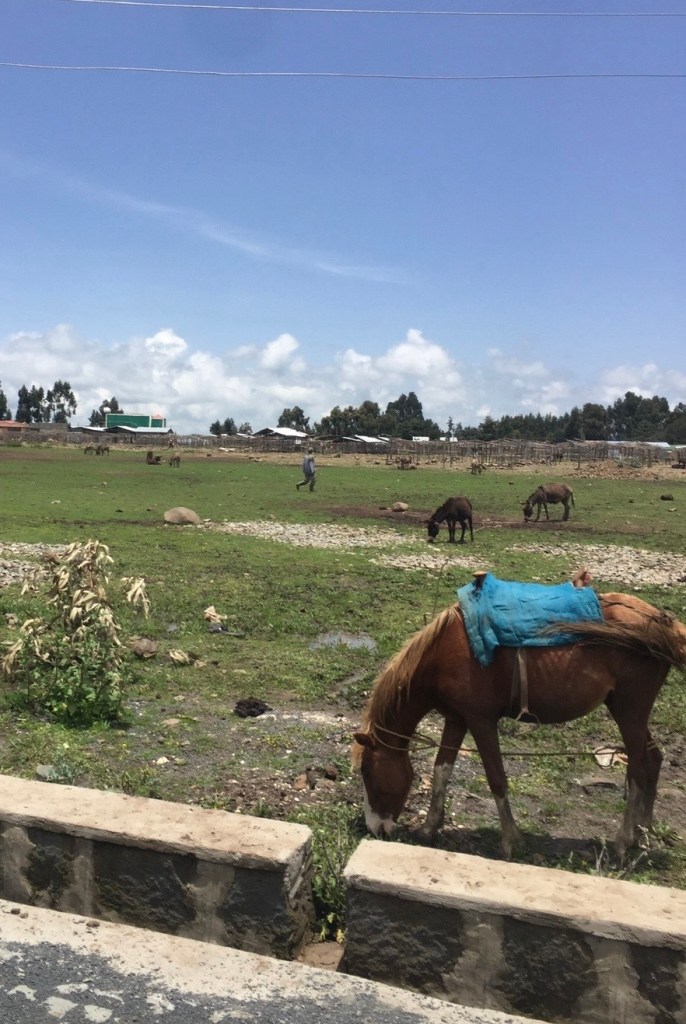
After 90 days of pre-service training and passing the language exam, we were sworn in as Peace Corps Volunteers. My cohort said goodbye and headed to our permanent Peace Corps sites. I was now in a town of less than 3,000 people, 9281 feet above sea level, with lots of horses! When I walked from my housing compound, to purchase a Coke and a scratch card for more Internet service, I loved the row of horses tied up in front of the shop.
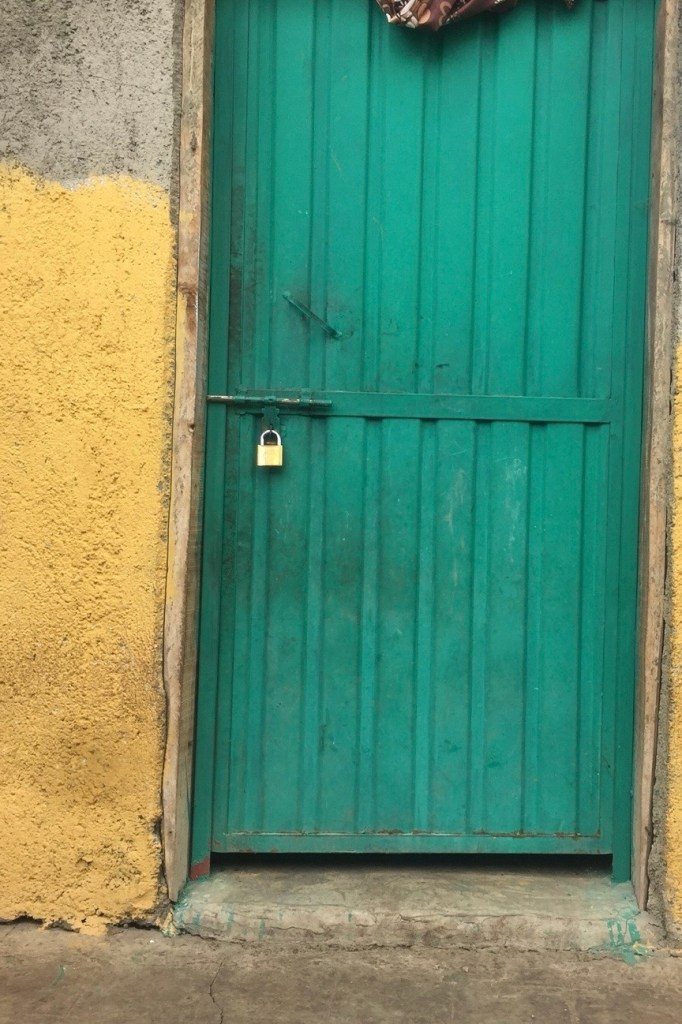
I didn’t have a “traditional” host family, at my permanent site. The family living in the house on the property, rented out the eight rooms in the multi-unit complex they built. My school worked with Peace Corps to locate and approve my housing arrangement. Peace Corps said I needed two rooms. Although they were not connected, (another person lived between the two) I used one as my living room/kitchen and the other as my bedroom.
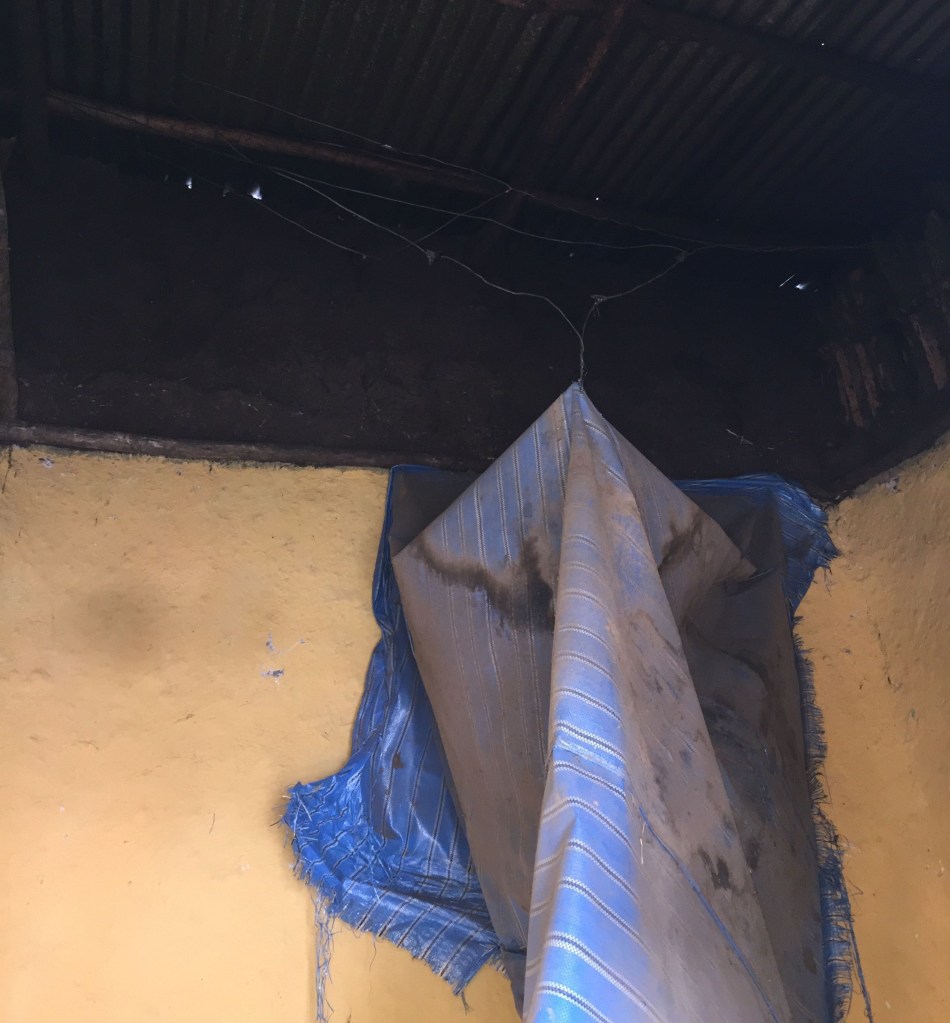
The cloth roof of the latter had to be replaced, before I could do so. Rodents had taken over the ceiling area. I purchased a tent before I left the USA, after watching YouTube videos on Peace Corps Cribs in Ethiopia. Turned out, it was the perfect solution for both the cold and the rodents.
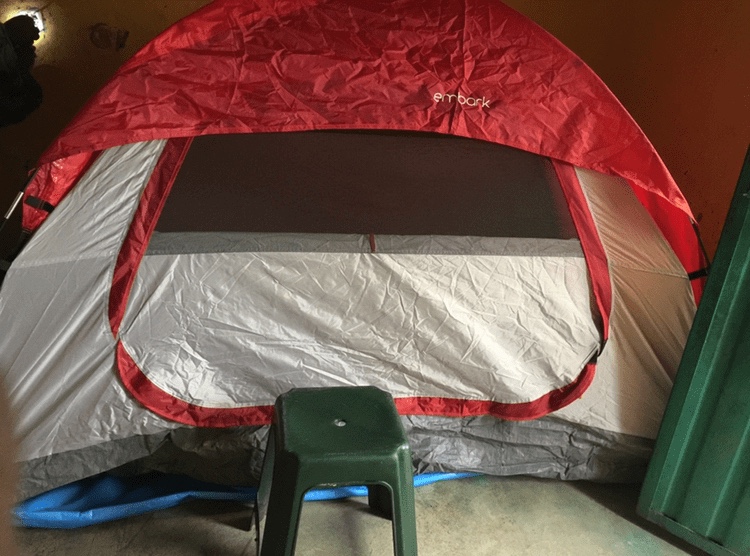
I made sure to purchase a mattress and warm blanket. I also had a sleeping bag! There was a sizable gap under each door. Luckily, I had to stay in Addis Ababa, to clear medical. I lost a lot of weight, during my pre training service. While I was in town, I put out a request for yarn, on a Facebook Group page for Expats. A woman replied and quickly arrived with a shopping bag full of yarn. I was able to knit two tubes, put a towel in each, and use them to block the gap under both doors.
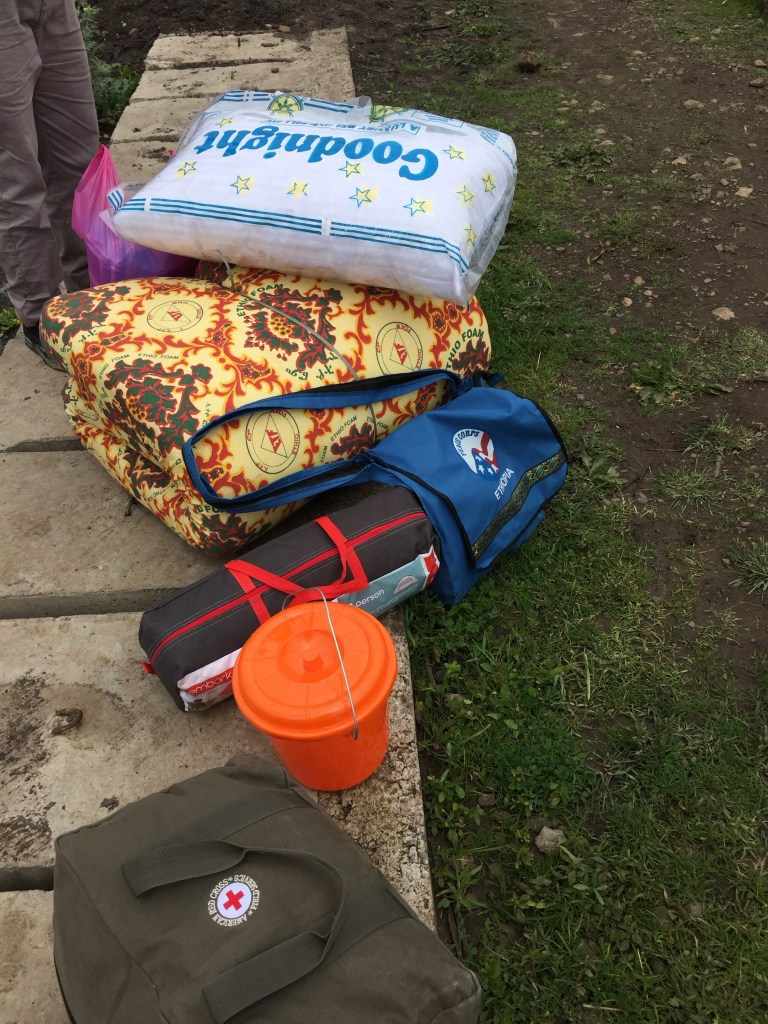
Before you go to your permanent site, you’re able to shop, in your hub town. It’s a larger shopping area for those volunteers assigned to smaller villages. The Post Office and local bank is also there. So, now, after doing the big shop, you’re heading to your permanent site with two checked bags, two carry-on bags, your new mattress, pots and pans for cooking, tubs for washing, and food items that you can’t buy in your village. We were introduced to our teaching counterparts, at a training session in Addis Ababa. They were tasked with helping us get everything to our permanent sites.
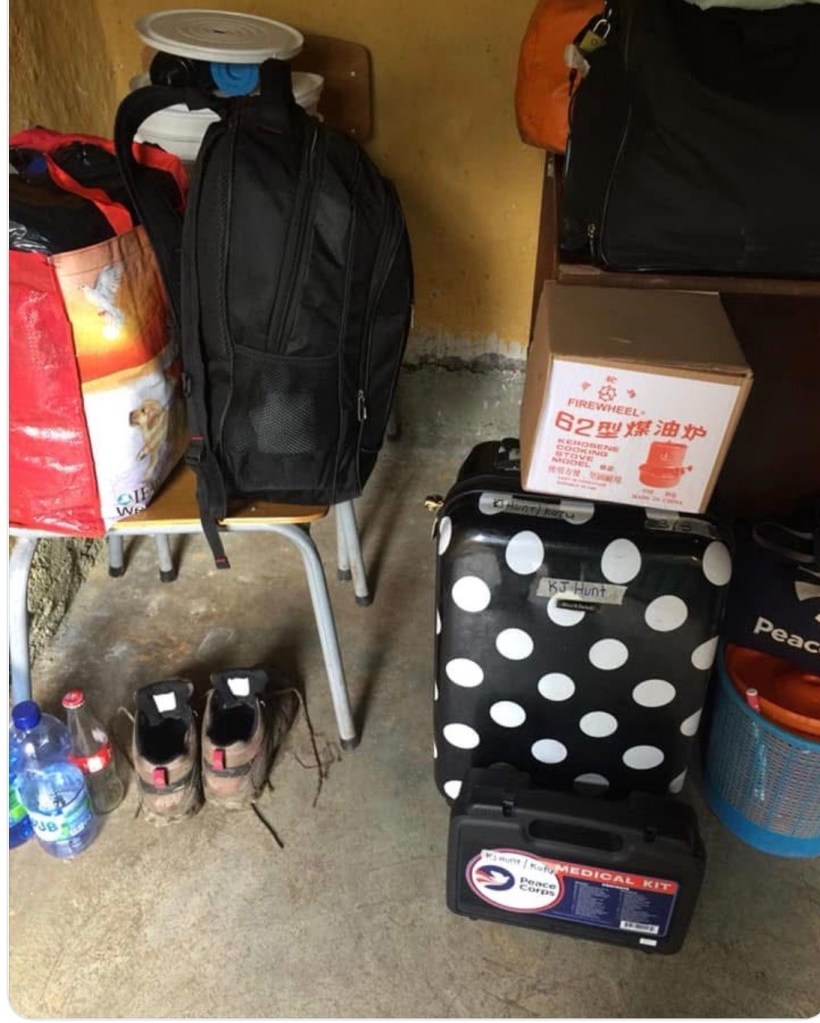
After getting me from Addis Ababa to my hub town, teaching counterpart just wanted to go home. He was married and had two kids. He offered to let me stay with his family. I decided to stay, in town, with a volunteer who had a very odd experience, at the bus station in Addis Ababa. There was no way I was leaving her in a hotel alone. So, I went shopping, stayed in the hotel, and met the other volunteer for dinner. The next day, my counterpart helped get my belongings to my new home.
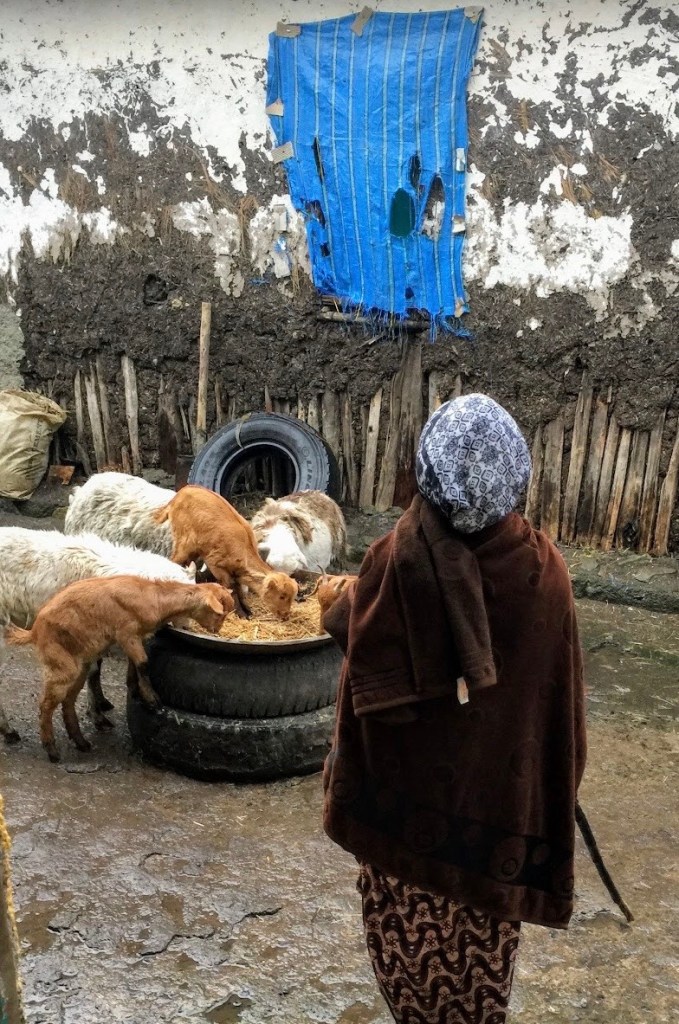
My school was a ten or fifteen-minute walk from where I lived. I had a little time, before the school semester began, to get settled in at my new site. There were over 20,000 people, where I served, in Masis, Armenia. Now, there were less than 2,000, in Ethiopia. My host dad had a wife (pictured here) and a son. I’m still not sure if the boy was actually their child or a relative they were keeping. That child was a hoot! He would run to my door, if his mom was going to whip him.
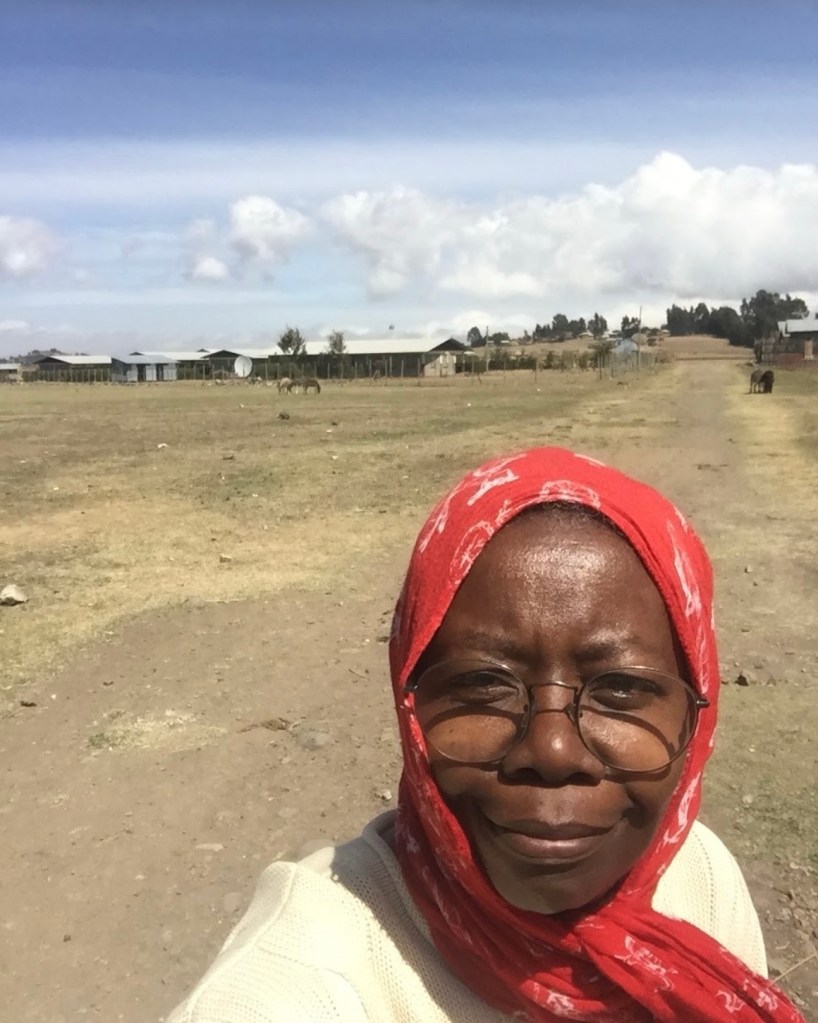
Your first few days at your permanent site is all about culture integration. You want to meet as many people as you can. My school had skipped a year, between me and their last volunteer. I was the first volunteer at my site in Kenya. I was one of two first, in my town in Armenia. I had hoped to finally meet and replace a volunteer. But, that was not to be. I’d have to get the “tea” somewhere else. I was lucky. Most of the women, in the housing compound, spoke English. There was a common kitchen area, where they gathered, but I never used it. I found another way to interact with them, coffee.
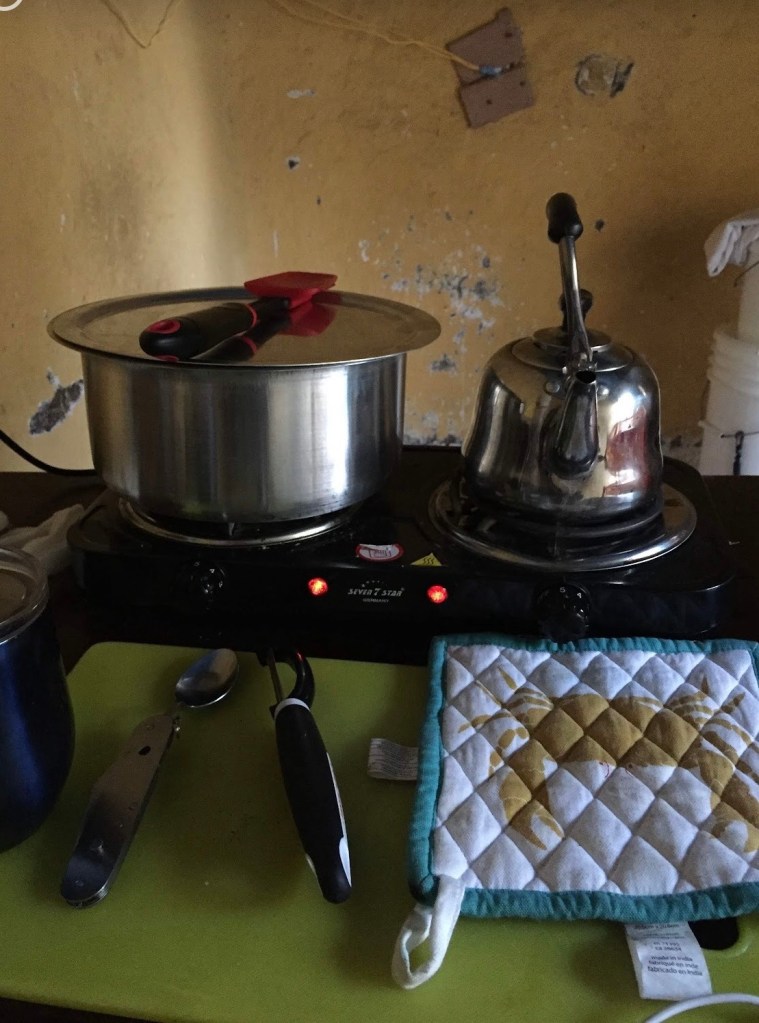
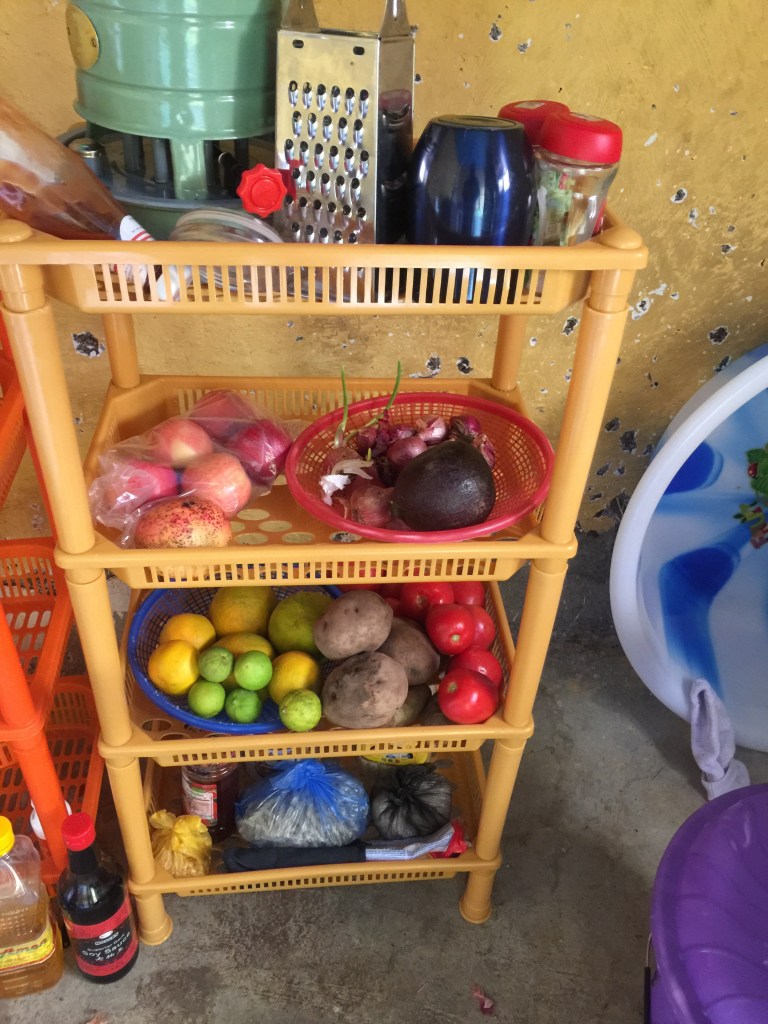
I cooked in my living room / kitchen area, with either an electric burner or a small paraffin stove, if the power went out. I was really lucky. The electricity seldom went out. My village sold some fruits and vegetables, but mostly large quantities of dried staples that were purchased, by small shop owners, from the surrounding area. On Friday, after school, I took a van to my hub town and shopped for what I would need each week. Friends from home mailed me individual packets of tuna and spam. So, I was always good to go!
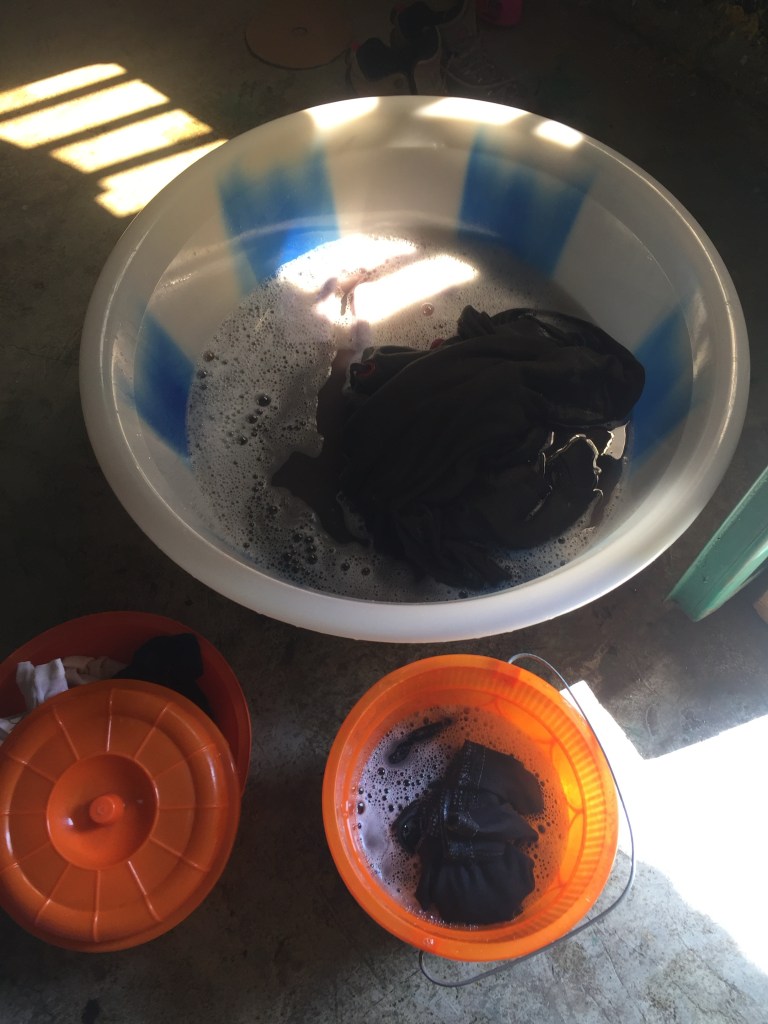
I washed myself and my laundry in the plastic tubs that I purchased. My godson’s mom loaned me an outdoor solar camping shower bag. I could leave it, in the sun, to heat up. I then attached it to a nail, on the inside wall, and stood in the larger plastic tub to shower. There was a drain area, near the entrance to the property. So, I dumped the water there or just outside my door, if nothing was being dried on the ground. The water spigot for the complex was just outside my door. Score!
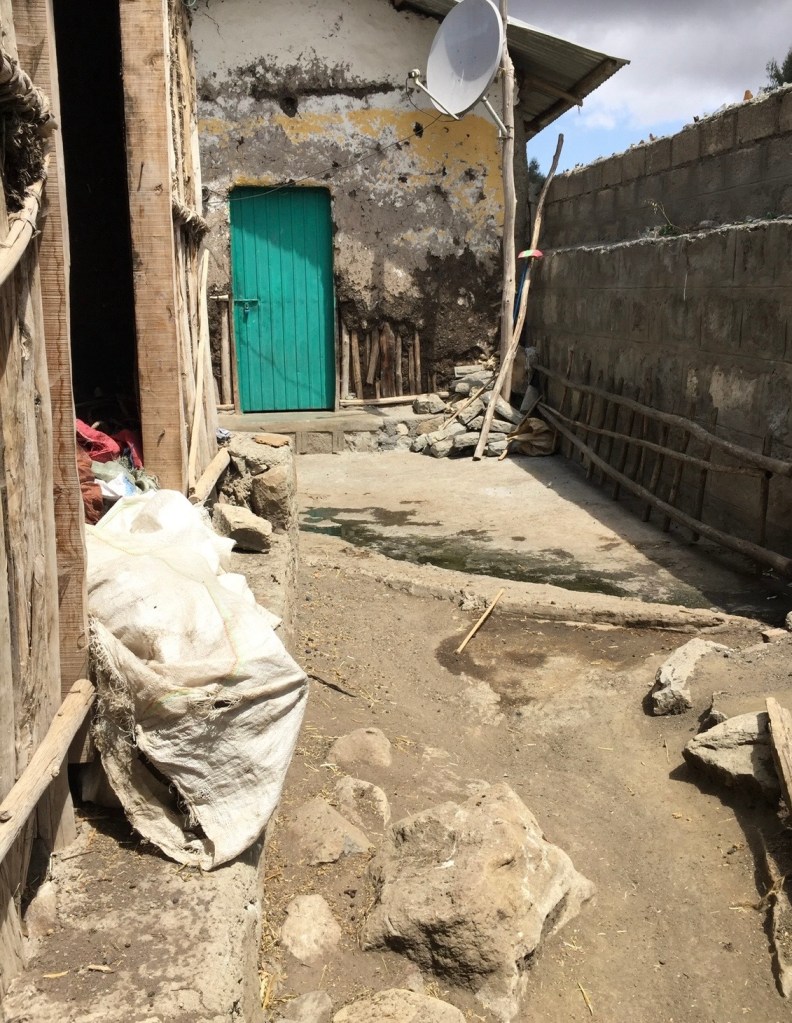
This photo was taken the entrance to the compound. There was a gate that was always locked. I had a key. My two rooms were secured by pad locks. Two of the female clinic workers were really friendly. I went by their medical clinic, during my initial orientation stage. Once, I ran there. A truck had run over a Tuk Tuk driver. I jumped into an open door. Otherwise, I would have been run over as well. The young man died at the scene.
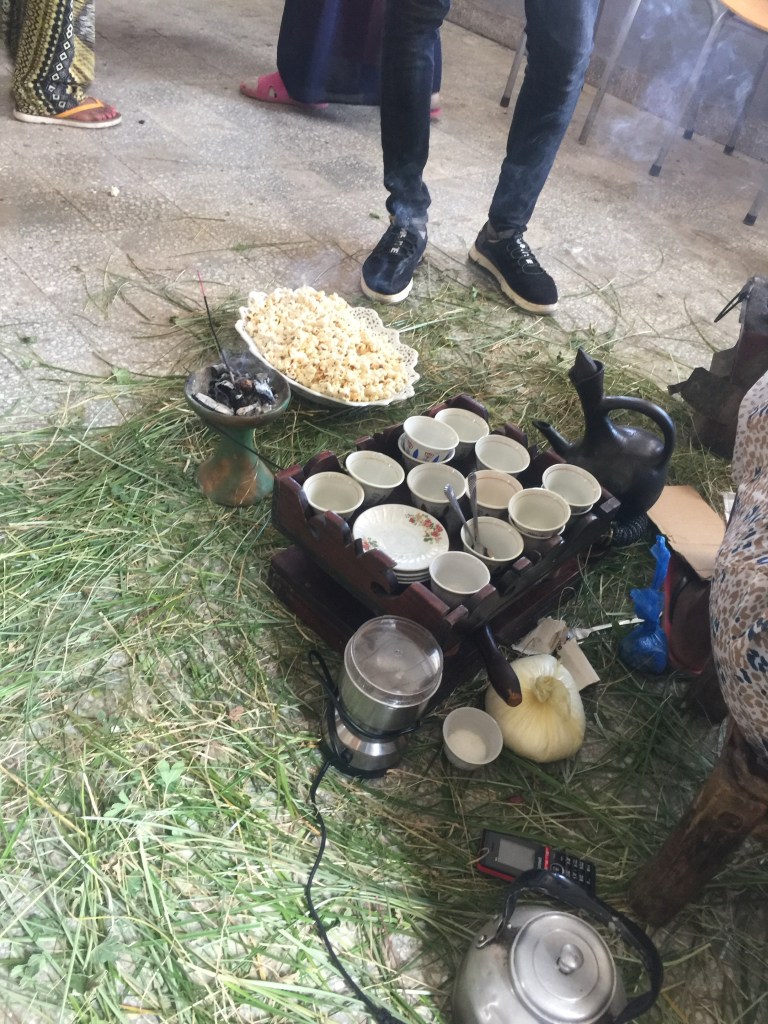
Another one of the female healthcare workers, would invite me over to her room for coffee. She always had a group of friends visiting. I would skipped the first and strongest round of coffee, in the Ethiopian coffee ceremony. She always let me. Everyone else laughed. Once the first round was over and additional water was added to the pot, she poured my “first” cup.
On the weekends, I would get to know people in my hub town. Sometimes, I would meet up with other Peace Corps volunteers in the area. Debre Berhan is about 80 miles driving distance from Addis Ababa and 50 minutes in the opposite direction from my site. As Peace Corps volunteers, we were only “allowed” to leave our sites four times a month. We could “only” travel to Addis Ababa, if the trip was pre-approved by Peace Corps or we were going there on official Peace Corps business. Each Friday, I would go to my hub town, book a hotel room, and take the longest shower known to humanity.
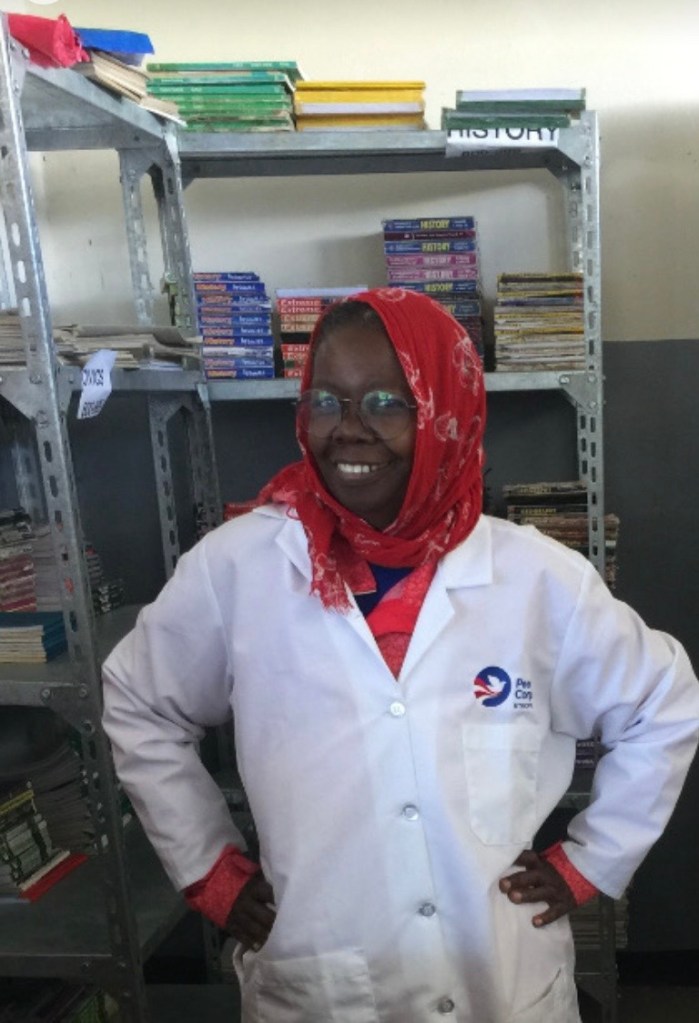
I taught English and worked on getting book donations for the library. My former Washington DC supervisor (from the Folger Shakespeare Theater) sent a large donation (a full set of encyclopedias) from her job in Germany. A friend from Utah sent boxes of children’s books (that her adult children and grandchildren donated). That gift was also special, as the nearby primary school didn’t have much of a English book collection for young readers, in the school library.
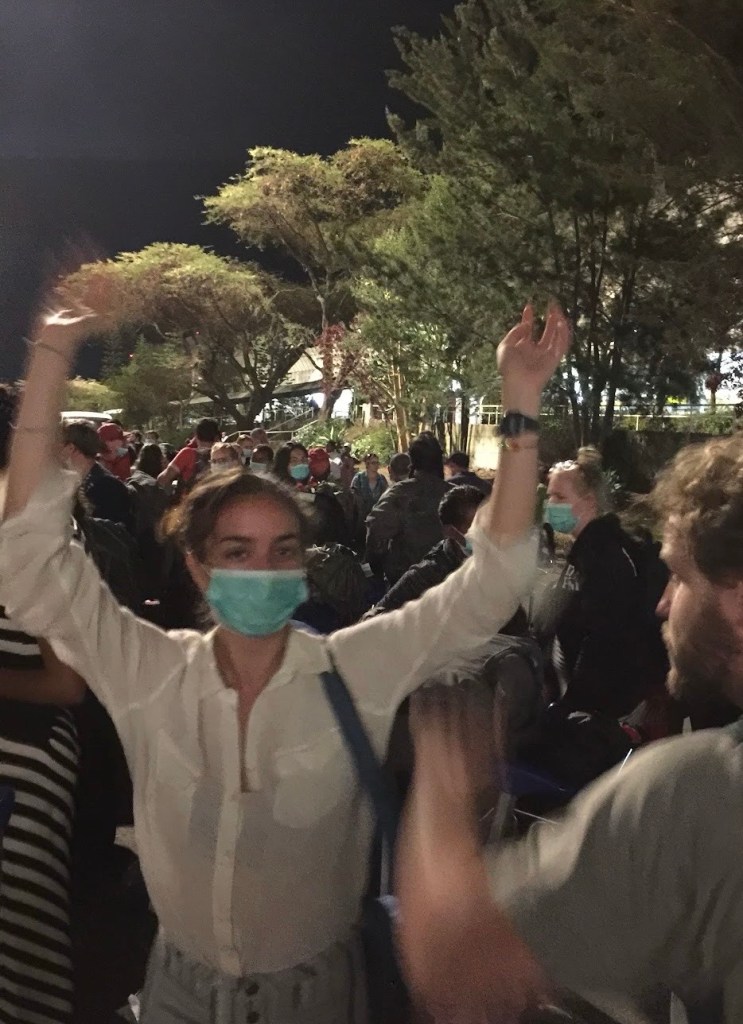
Then, it all fell apart. Flights from Africa were widely unable to land in Europe, at the start of the COVID-19 pandemic. Peace Corps Directors in Africa had two options; the nonstop flight from South Africa to Atlanta or the non-stop flight from Ethiopia to Washington Dulles. I arrived in Addis Ababa on a Tuesday. Older volunteers were sent to one hotel and the younger volunteers to another. Then, because we were now waiting for other African countries to get their volunteers to Ethiopia, we had to wait several days, before leaving. Our Country Director chartered three planes. Seniors and volunteers with certain medical conditions flew home in business class.
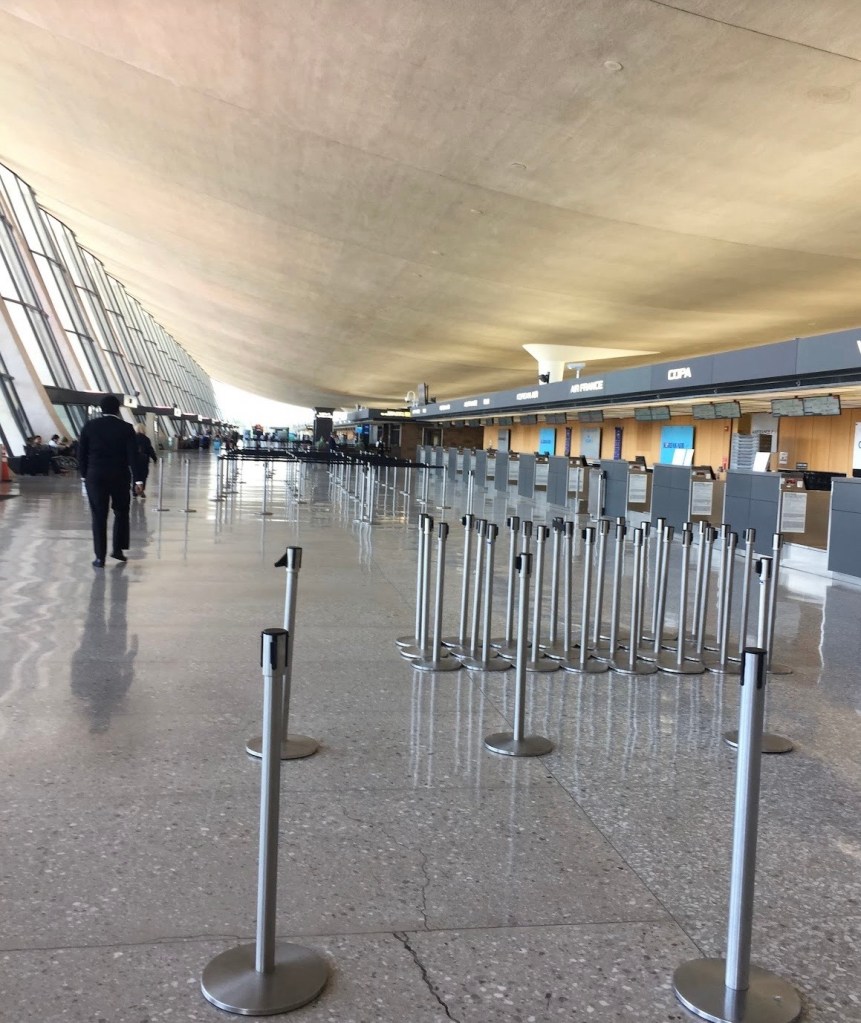
When we arrived at Dulles, it was a ghost town. My home of record was Honolulu (long story)! The upgrade from coach to first class, for my flight from WDC to San Francisco, was under $25.00. The upgrade to first class from San Francisco to Hawaii was $40.00. Peace Corps covered the rest. On the final flight, it was announced that a deceased military member was being flown home. When that happens on a commercial flight, it is done under a highly structured, solemn protocol, designed to ensure the utmost dignity, care, and respect.
I notified a flight attendant that I was once a member of the base Honor Guard, at Norton Air Force Base in San Bernardino, California. And, it would be my honor to serve as the military escort on the flight. It was the most fitting way, for me, to return home.


I appreciate you for sharing your experiences. The survival skills you share are crucial to our survival in 2026, Thank goodness for your existence.
LikeLike